
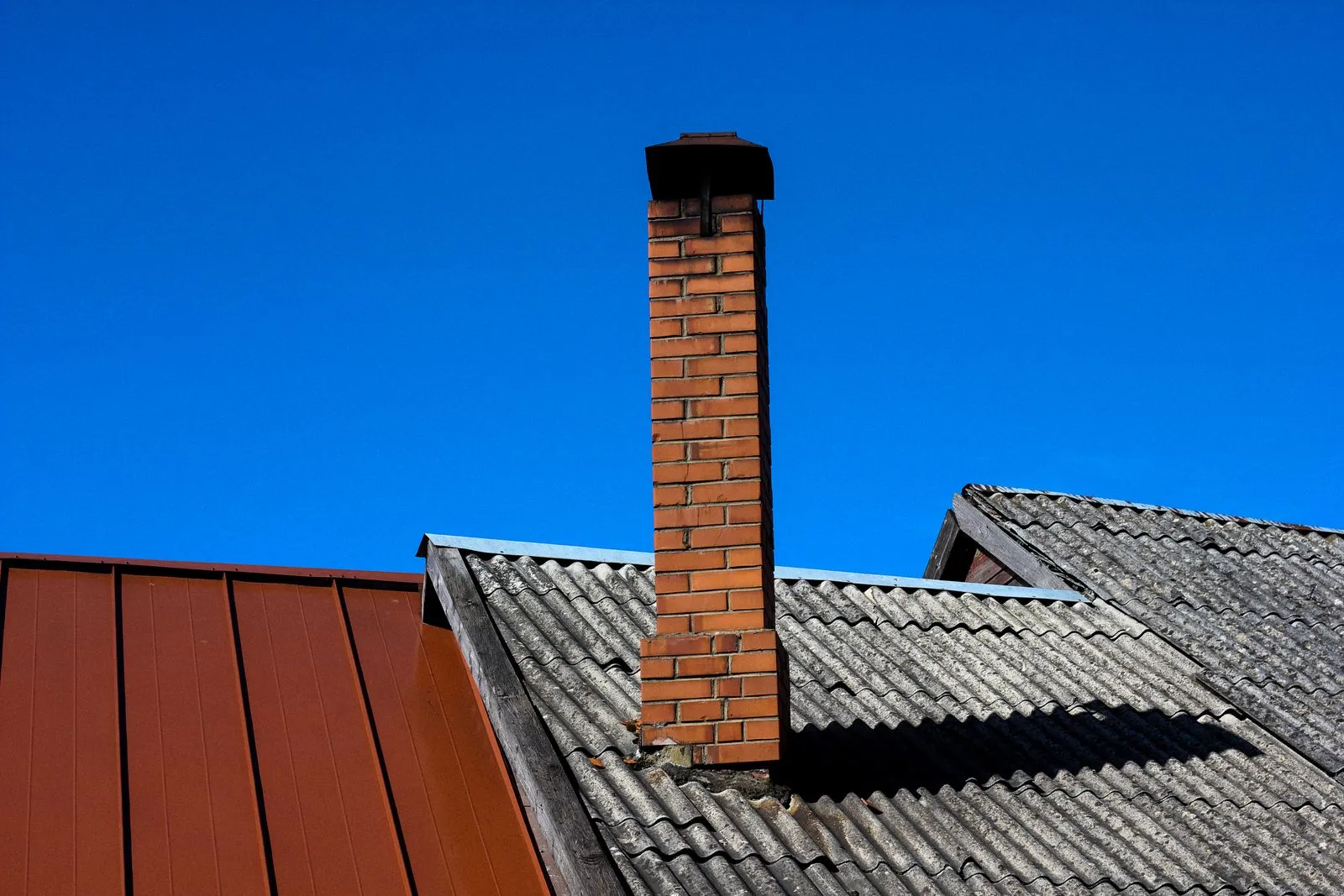
A chimney camera inspection lets a technician look inside the flue for buildup, obstructions, or visible damage that may be difficult to spot from the fireplace opening. It can be useful before lighting a fireplace, after something may have entered the chimney, or when smoke and odors suggest a problem. Knowing when to arrange an inspection helps you make an informed decision about using your fireplace and whether further cleaning or repair may be needed.
Before Using a Fireplace
Arrange an inspection if you are starting to use a fireplace after a long period of disuse, moving into a home with an unknown chimney history, or preparing an appliance that has not been checked recently. A camera can help reveal visible obstructions, creosote deposits, cracks, or other changes inside the flue. The findings can guide whether the chimney needs cleaning or a closer assessment before use.
A camera inspection is especially practical when you cannot confirm the last service date or what work was done. Keep any previous inspection or cleaning records and share them with the technician. An inspection is not a substitute for routine chimney maintenance, but it can provide a clearer view of the flue’s condition and help identify issues that may not be visible from below.
After a Suspected Blockage
Book an inspection if you suspect a bird, nest, leaves, or another object has entered the chimney. Warning signs can include a sudden change in draft, smoke coming back into the room, or sounds from inside the flue. Do not light a fire to test whether the passage is clear. A camera inspection can help locate an obstruction and show whether it has affected the flue lining.
If smoke spills into the room, stop using the fireplace and ventilate the area. Check that the damper is open, but do not reach into the chimney or try to dislodge an object from below. A qualified technician can inspect the passage safely and advise whether removal, cleaning, or repair is appropriate.
When You Notice Changes
Arrange an inspection if you see smoke stains around the fireplace, smell persistent smoky or tar-like odors, or notice debris falling into the firebox. These signs do not identify a specific fault on their own. A camera view can help determine whether there is visible buildup, a blockage, or damage that should be assessed further.
A chimney should also be checked after events that may have affected its structure, such as a significant storm, nearby building work, or a chimney fire. Tell the technician what happened and when you noticed the change. If you suspect a chimney fire, do not use the fireplace again until it has been professionally assessed.
What to Ask When Booking
When you call, explain the fireplace type, the reason for the inspection, and any symptoms you have noticed. Ask whether the service includes a visual report or images, and whether cleaning or repairs are included or quoted separately. This helps you understand what the inspection can confirm and what may require additional work.
A camera inspection shows accessible internal surfaces, but it cannot guarantee that every hidden defect will be found or that a chimney is safe in every respect. Follow the technician’s recommendations, and avoid using the fireplace if they identify an obstruction or concern that needs attention. Keep the inspection findings with your home maintenance records.
Book a chimney camera inspection before using a fireplace with an uncertain history, after a suspected blockage, or when you notice changes in smoke, odor, or debris. Share the symptoms and any maintenance records when arranging the visit. Melbourne Flue Check can discuss your inspection needs and explain what to prepare.